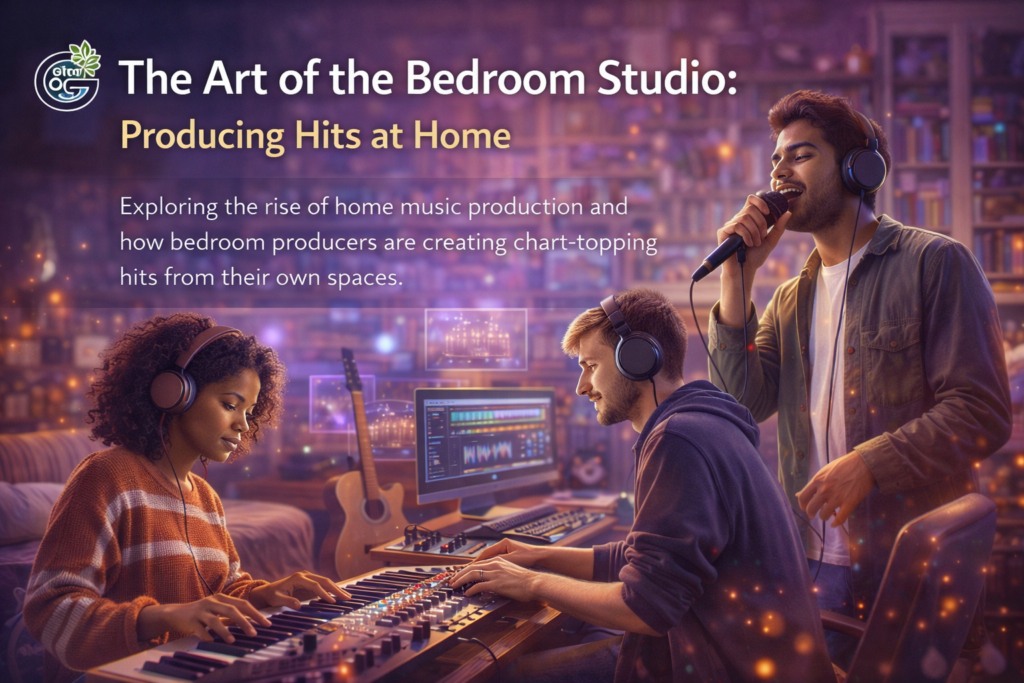

The democratization of music production is perhaps the most significant cultural shift in the industry over the last decade. The barriers to entry have crumbled; a high-end recording no longer requires a million-dollar studio or a major label contract. The “bedroom studio” movement has proven that with a laptop, a decent microphone, and a creative vision, an independent artist can reach a global audience from the comfort of their home.
However, a professional sound is not just a result of the gear you own, but how you use it. Digital Audio Workstations (DAWs) have become incredibly powerful, offering thousands of virtual instruments and effects. The challenge for the modern home producer is avoiding “option paralysis” and focusing on the core elements of a great song: melody, rhythm, and clarity. Room acoustics and proper mixing techniques remain the secret weapons that separate amateur recordings from radio-ready hits.
This decentralization of creativity is leading to a massive explosion of new genres and experimental sounds. Independent artists are no longer forced to conform to commercial standards to get “studio time.” Instead, the bedroom studio has become a laboratory for innovation, where the next generation of musical legends is currently forging the future of sound.


