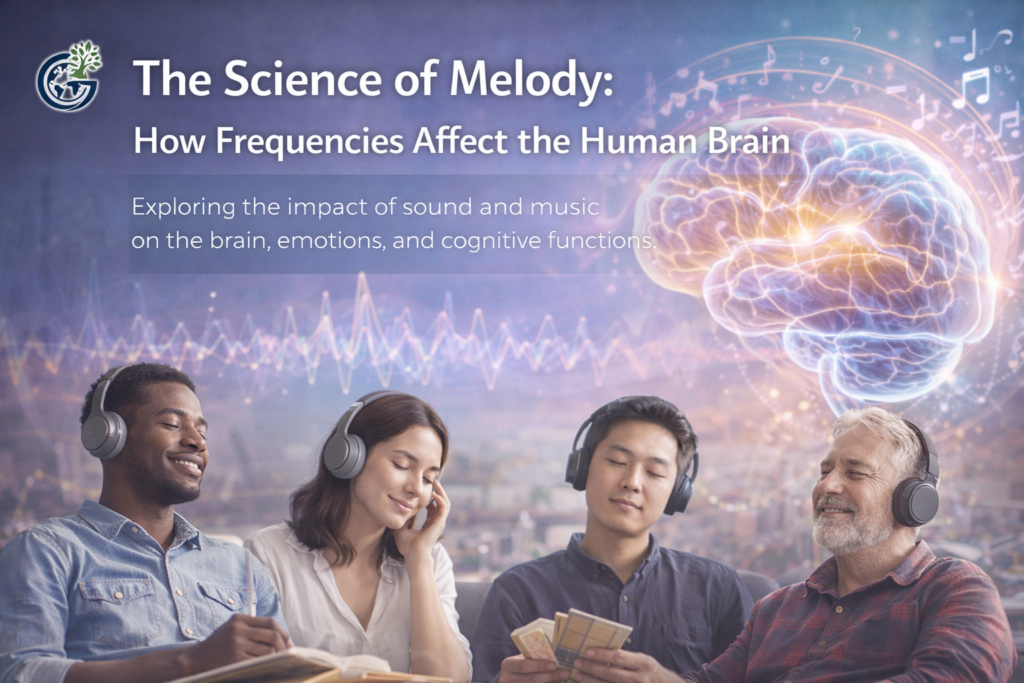

Music is more than just a sequence of pleasant sounds; it is a complex language of frequencies that speaks directly to the human nervous system. For centuries, composers and philosophers have noted the profound emotional impact of melody, but modern neuroscience is finally uncovering the “why” behind this phenomenon. When we listen to a melody, our brains don’t just process sound; they engage in a sophisticated dance of pattern recognition and emotional regulation.
Recent studies have shown that certain frequencies can trigger the release of dopamine and oxytocin, the body’s natural “feel-good” chemicals. Beyond simple enjoyment, music therapy is being used in clinical settings to treat everything from chronic pain to neurological disorders. Rhythmic entertainment, for instance, can help stroke victims regain motor skills by providing a temporal template for movement.
At the heart of this connection is the concept of tonal resonance. Some researchers argue that the human body has a natural frequency, and that music which aligns with these biological rhythms can foster deep states of relaxation or heightened focus. Whether it is the calming effect of a soft cello or the invigorating pulse of a drum, melody remains one of the most powerful tools for maintaining mental and emotional equilibrium.

